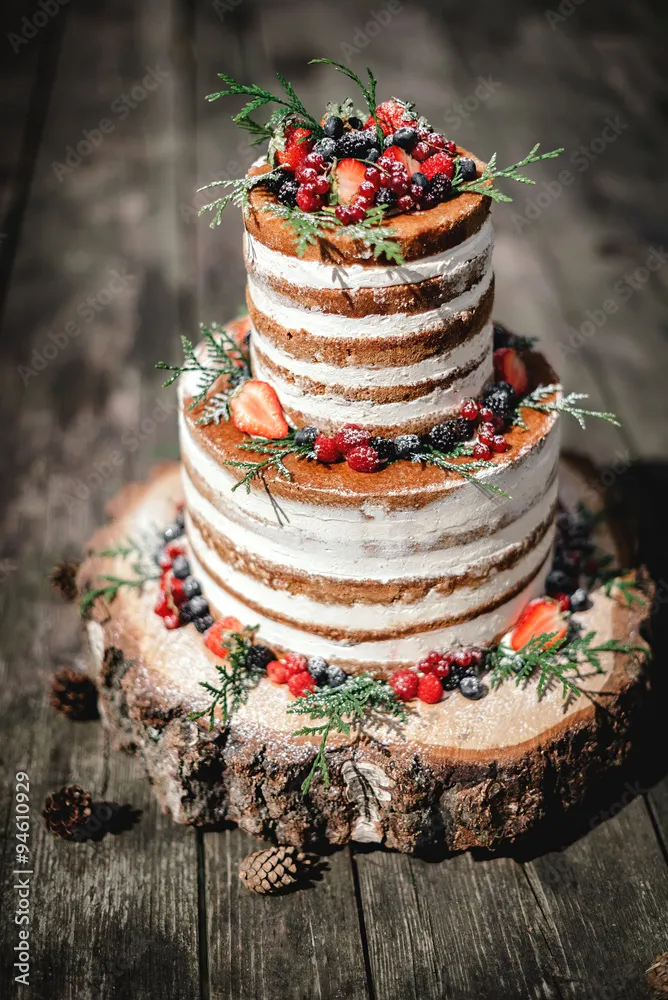
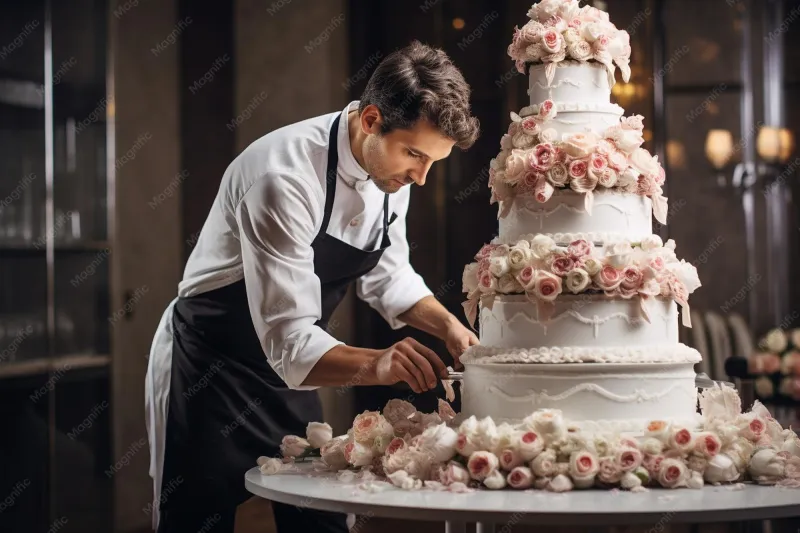
Swipe Right on Frosting: A Totally Unscientific (But Surprisingly Accurate) Guide to Finding Your Cake's Perfect Frosting Match
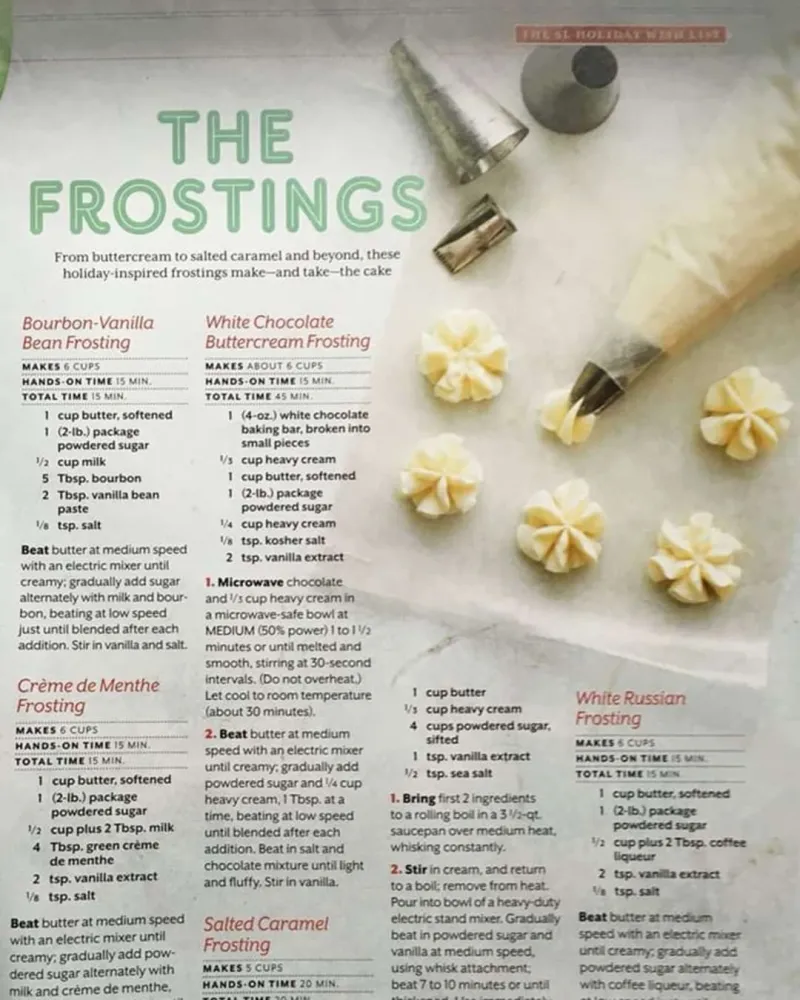
Photo: assorted frosting types buttercream ganache cake decorating, via i.pinimg.com
Somewhere out there, a perfectly good lemon cake is being suffocated under a mountain of American buttercream, and nobody is talking about it. A dense, fudgy chocolate cake is sitting beneath a cloud of whipped cream that's already weeping into the layers. A delicate almond chiffon is drowning in cream cheese frosting that tastes like it showed up to the wrong party.
Frosting pairing is not just a preference. It is a science, it is an art, and frankly, it is a matter of dessert justice. Here at Cakes Rock, we believe every cake deserves a frosting that gets it—that understands its vibe, complements its personality, and doesn't hog the spotlight.
So let's fix this. Here's your complete guide to matching cake bases with their frosting soulmates, including a decision-tree tool at the end for when you're standing in your kitchen at 9 p.m. with butter softening on the counter and absolutely zero plan.
First, Understand What Frosting Actually Does
Before we play matchmaker, let's talk about what frosting is really doing on that cake. It's not just decoration (though yes, it's doing that too). Frosting serves three critical functions:
Moisture management. A good frosting creates a barrier that slows the drying of your cake crumb. This is why a frosted cake keeps longer than a naked one—and why the frosting's own moisture content matters enormously.
Flavor counterbalance. Frosting should either echo the dominant flavor of the cake (chocolate on chocolate, hello) or create a deliberate contrast that makes both elements more interesting. This is the difference between harmony and monotony.
Structural support. Especially for layered and tiered cakes, frosting is load-bearing. A frosting that's too soft will let your layers slide. Too stiff, and you'll compress the crumb on assembly. The texture conversation is real.
The Frosting Lineup: Who's Who
Let's meet the main players before we start pairing.
American Buttercream is the golden retriever of frostings. Sweet, reliable, easy to work with, beloved by basically everyone. Made with butter, powdered sugar, and a splash of cream. Great for piping, excellent for color work, and approximately as subtle as a foghorn. It can overwhelm delicate flavors if you're not careful.
Swiss or Italian Meringue Buttercream is the sophisticated older sibling. Less sweet, silkier, more complex. Takes more effort to make (you're cooking egg whites over a double boiler, you're pouring hot sugar syrup, you're having a whole moment), but the payoff is a frosting that lets the cake speak.
Cream Cheese Frosting is tangy, slightly dense, and deeply committed to its own personality. It is not a background player. It will be noticed.
Whipped Cream Frosting is light, airy, and frankly a little fragile. Beautiful in the right context. A disaster if it needs to hold up for more than a few hours in a warm room.
Ganache (poured or whipped) is the mysterious stranger in the corner. Dark, rich, glossy, and entirely unbothered by your opinions. It can be a glaze, a filling, or a frosting depending on your ratio of cream to chocolate.
Ermine Frosting (cooked flour-based) is the underdog that deserves way more love. Less sweet than American buttercream, incredibly smooth, and the traditional pairing for red velvet before cream cheese frosting took over.
The Pairings That Actually Rock
Lemon Cake → Swiss Meringue Buttercream or Whipped Cream Lemon cake is doing delicate, bright, citrus work. American buttercream will bulldoze it. Swiss meringue lets the lemon sing. Whipped cream with a little lemon zest folded in? Chef's kiss. Avoid cream cheese here unless you're doing a lemon-cheesecake hybrid situation on purpose.
Red Velvet → Cream Cheese Frosting (Classic) or Ermine (Traditional) Red velvet has a mild cocoa flavor and a subtle tang from the buttermilk. Cream cheese frosting is the modern standard for good reason—the tang echoes the cake's own. But if you want to go old-school, ermine frosting is the historically accurate choice and it's spectacular.
Rich Chocolate Cake → Ganache or Swiss Meringue Buttercream A dense, fudgy chocolate cake does not need more sweetness. It needs richness and complexity. Dark chocolate ganache amplifies the depth. Swiss meringue with a touch of espresso? Absolutely unhinged in the best way. American buttercream can work here, but go darker and less sweet than you think you need to.
Vanilla or White Cake → Anything (But Choose Intentionally) Vanilla cake is the blank canvas, which means you have no excuse for a boring pairing. This is your moment to get weird. Mango curd between layers with coconut Swiss meringue. Strawberry jam with fresh whipped cream. Lavender ermine frosting. The cake will support whatever you bring.
Carrot Cake → Cream Cheese Frosting, Full Stop This is not a debate. The earthiness of carrot, the warmth of cinnamon and nutmeg, the slight density of the crumb—cream cheese frosting is the only frosting that has ever understood this cake. Don't @ us.
Banana Cake → Brown Butter American Buttercream or Peanut Butter Frosting Banana cake wants warmth and nuttiness. Brown your butter before making the buttercream and you'll unlock a caramel-adjacent depth that's genuinely remarkable. Peanut butter frosting is the crowd-pleasing wildcard that everyone will ask about.
Your Frosting Decision Tree
Still not sure? Work through this:
- Is your cake light and delicate in flavor? → Skip American buttercream. Go Swiss meringue or whipped cream.
- Is your cake dense and intensely flavored? → You can handle ganache or a less-sweet buttercream. Go bold.
- Does your cake have tang built in (buttermilk, sour cream, cream cheese)? → Echo that tang with cream cheese frosting or ermine.
- Are you decorating elaborately? → You need a frosting that holds structure. Whipped cream is out. American or Swiss meringue buttercream is in.
- Is this being served outdoors in summer? → For the love of all things sugary, do not use whipped cream. Ganache or a stable buttercream only.
- Are you trying to impress someone? → Swiss meringue. Always Swiss meringue. It tastes like you know what you're doing.
The One Rule That Overrides Everything
Here's the thing nobody tells you: the best frosting pairing is the one that makes you excited to eat the cake. All the science and technique in the world is just scaffolding. If you love cream cheese frosting on everything, you're not wrong—you're just building a brand.
The point is to choose with intention, understand why certain combinations work, and then feel completely free to rock whatever combination makes your particular cake the best version of itself. Because at the end of the day, a cake with the right frosting doesn't just taste better. It feels right. And that's the whole point.