Weather or Not: The Sweaty, Sticky, Absolutely Infuriating Battle to Keep Your Cake Looking Gorgeous in Summer
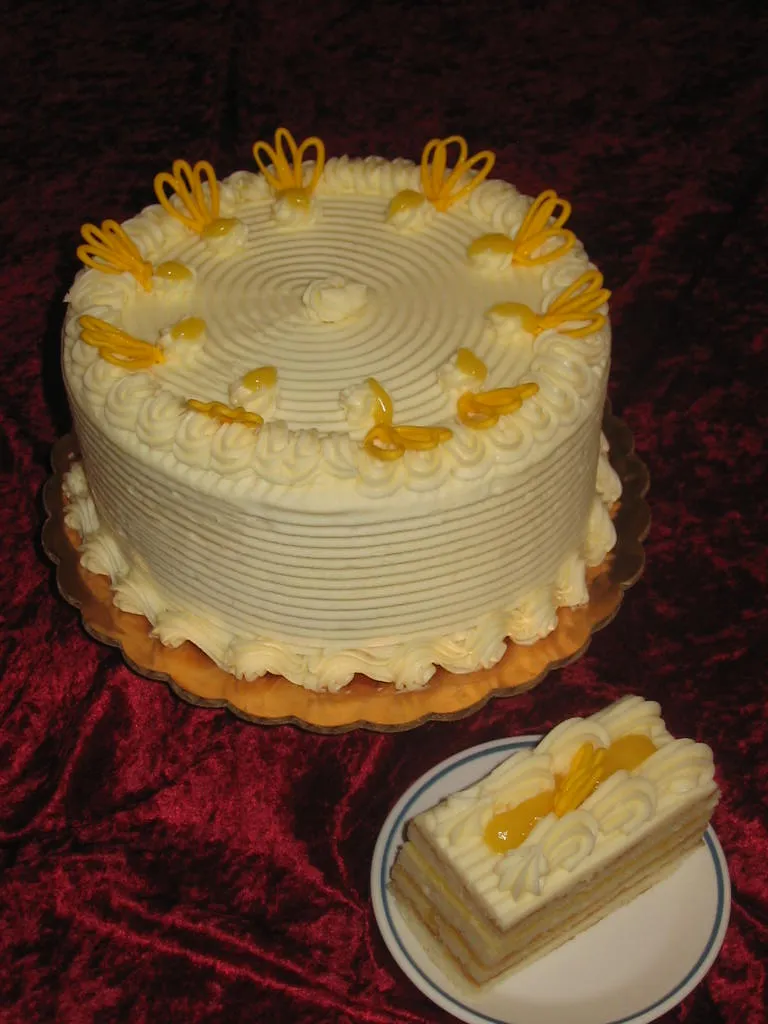
Photo: Tracy Hunter from Kabul,, Afghanistan, CC BY 2.0, via Wikimedia Commons
You spent six hours on those perfectly piped rosettes. You hand-painted the fondant details. You stacked those tiers like an absolute professional. And then you carried the cake outside for a July birthday party in Georgia, and within twelve minutes, you were watching your masterpiece slowly melt into what can only be described as a very expensive lava flow.
Welcome to summer baking in America, where the enemy isn't your skill level — it's the atmosphere itself.
Heat and humidity are the twin villains of cake decorating, and they operate without mercy. But here's the thing: professional bakers deal with this every single season and still manage to deliver stunning, structurally sound cakes to outdoor weddings in Houston, backyard parties in Miami, and rooftop events in New York City in August. The secret isn't magic — it's science, preparation, and knowing which battles you can actually win.
Why Your Frosting Is Basically a Drama Queen
Let's start with the science, because understanding why things go wrong is the first step to stopping them.
Buttercream — specifically American buttercream, the stuff most home bakers default to — is essentially fat and sugar. Fat melts. Sugar absorbs moisture from the air. Put those two facts together in a 90-degree, 80% humidity environment, and you've got a recipe for a frosting breakdown that would make a meteorologist wince.
Meringue-based buttercreams like Swiss and Italian are more stable than American buttercream in heat because they're built on a cooked sugar base, but they're not invincible. Cream cheese frosting? Forget it outdoors in summer — it's practically begging to slide off the cake. Whipped cream is the most delicate of all and should be treated like a rare orchid in a thunderstorm.
Fondant, on the other hand, actually handles heat reasonably well but absolutely despises humidity. Moisture causes fondant to sweat, bubble, and develop a sticky, tacky surface that's as unpleasant to look at as it sounds. If you live in the Southeast or anywhere that gets genuinely swampy in summer, fondant outdoors is a gamble you should think hard about.
The Frosting Formulas That Actually Hold Up
Professional bakers who work in hot climates have largely made peace with one truth: you need to reformulate for the season, not just hope for the best.
Ermine buttercream (also called flour-based or boiled milk frosting) is having a well-deserved moment in the professional baking world precisely because it's more humidity-resistant than its all-butter cousins. It's less greasy-feeling, pipes beautifully, and holds its shape at temperatures that would reduce standard buttercream to soup.
Adding shortening to your buttercream is a trick that makes some bakers shudder aesthetically but genuinely works. Replacing 20–30% of the butter with high-ratio shortening raises the melting point of your frosting significantly. It changes the mouthfeel slightly, but when the alternative is a melted puddle, most clients aren't complaining.
Crusting buttercreams — recipes with a higher sugar-to-fat ratio that form a light crust on the exterior — create a protective barrier against humidity. The crust acts like a tiny shield, buying you precious time in challenging conditions.
For outdoor summer events, many professional decorators in humid states like Florida and Louisiana lean heavily toward ganache-based finishes. A properly set chocolate ganache drip or ganache coating is dramatically more stable than any buttercream in heat, and it looks intentional and gorgeous rather than like a compromise.
Climate Control Isn't Just for Your Comfort
Here's something that doesn't get talked about enough: the environment where you build the cake matters just as much as where it ends up.
If you're decorating in a kitchen that's 78 degrees because you're trying to save on the electric bill, you're already fighting uphill. Professional cake studios keep their decorating spaces between 65–68°F, and that's not a luxury preference — it's a functional requirement. Cool air keeps buttercream firm while you work, gives fondant better handling properties, and generally makes the entire process less of an emotional rollercoaster.
A dehumidifier in your baking space is one of the most underrated investments a serious decorator can make, especially if you live somewhere like the Gulf Coast or the Mid-Atlantic states, where summer humidity is basically a second climate. Keeping your workspace under 50% relative humidity makes a measurable difference in how your decorations set and hold.
For fondant work specifically, silica gel packets placed inside your storage boxes (not touching the cake, obviously) can help absorb ambient moisture during overnight storage — a tip borrowed from the floral industry that cake decorators have quietly adopted.
The Transport Problem: Your Cake's Most Dangerous Journey
You can do everything right in the studio and still lose the cake in the car. Transport is where summer heat claims its most dramatic victims.
The rules are simple but non-negotiable:
Pre-cool your car before the cake goes in. Not just running the AC as you load — actually getting the interior down to a comfortable temperature before the cake enters the vehicle. Opening a hot car and immediately putting in a decorated cake is a gamble you will eventually lose.
Non-slip mats under the cake box are essential and cheap. A piece of that rubberized shelf liner from the dollar store has saved more cakes than any fancy transport box. Place it under the box, and your cake stops sliding on turns.
Never put a cake in the trunk in summer. The trunk is significantly hotter than the passenger cabin and has no AC airflow. This feels obvious, but in a moment of logistical stress, people make this mistake constantly.
Dowel your tiers like your reputation depends on it — because in summer, it does. Tiered cakes that might hold up fine in cooler conditions become structurally risky when the internal temperature of the cake rises. Extra support is never wasted in July.
For longer transports, professional bakers sometimes use insulated cake carriers with frozen gel packs placed around (never under) the cake to maintain a cool microenvironment. It's the cake equivalent of a cooler, and it works.
The Seasonal Mindset Shift Nobody Talks About
Perhaps the most important adjustment isn't a recipe tweak or a piece of equipment — it's a mental one. Summer baking requires accepting that some of your favorite techniques are seasonal. Those delicate wafer paper flowers? Gorgeous in October, risky in August. That mirror glaze finish? Stunning in a climate-controlled venue, terrifying at an outdoor reception in Phoenix.
The best decorators don't fight the season — they design around it. Textured buttercream that hides minor softening. Ganache-based finishes that actually improve in slight warmth. Naked cakes where a little rustic imperfection is the whole point.
Summer has its own aesthetic, and the cakes that rock hardest in July are the ones built with July in mind.
So yes, the heat is real, the humidity is relentless, and your frosting has opinions about all of it. But with the right formulas, a cool workspace, a pre-chilled car, and a slightly adjusted sense of what's possible, you can absolutely deliver stunning work through every sweaty, sun-soaked month of the American summer.
Your masterpiece isn't melting. It's just waiting for a baker who knows the rules.