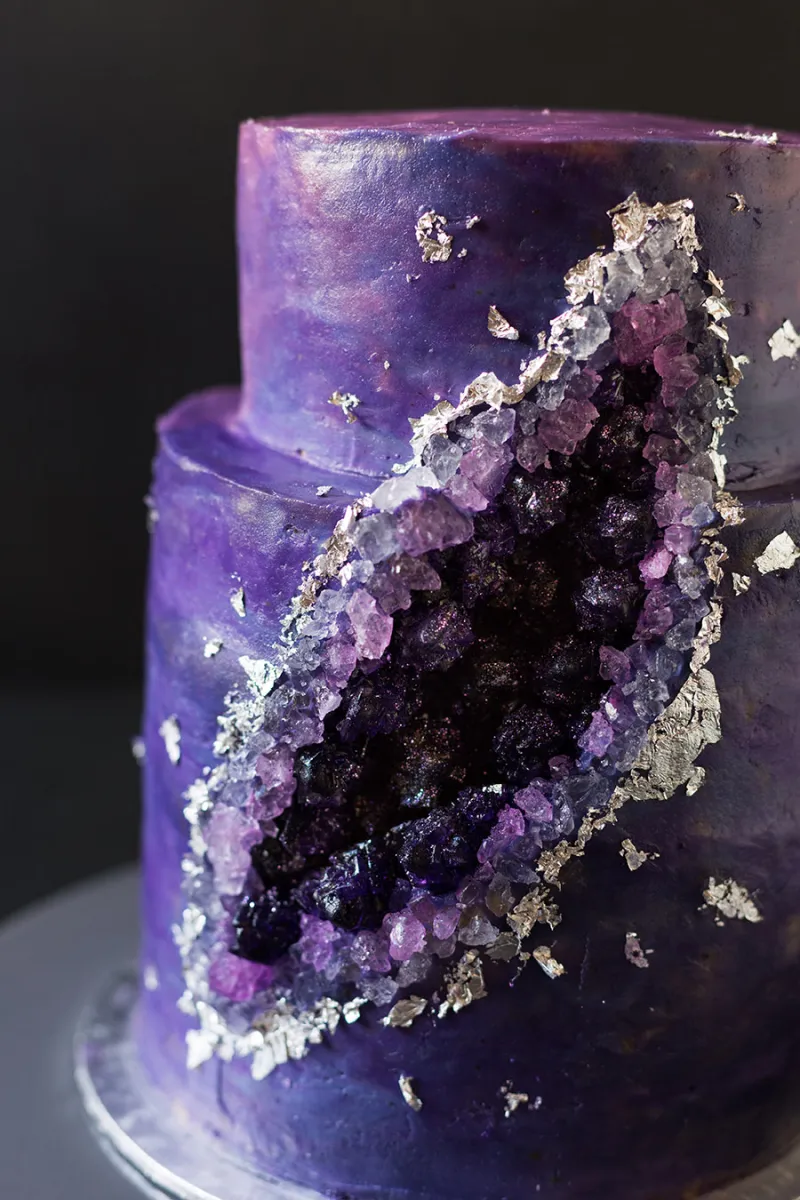
Tiers of Joy: Finding Your Wedding Cake Soulmate Among Classic, Naked, and Gravity-Defying Showstoppers
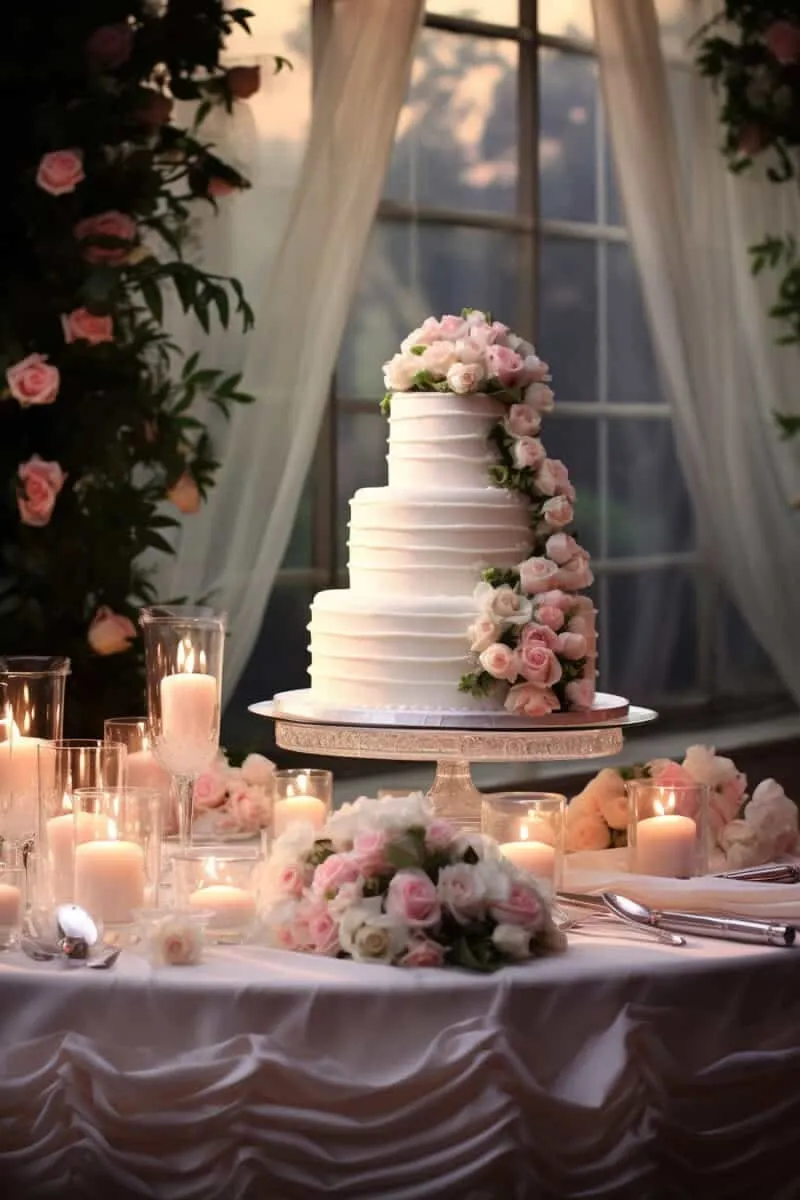
Photo: elegant tiered wedding cake with floral decorations on dessert table, via i.pinimg.com
Let's be honest: somewhere between picking a venue and arguing about whether your cousin's band should play the reception, your wedding cake quietly became the most important item on the agenda. It's the centerpiece, the Instagram moment, the thing your guests will be whispering about during the bouquet toss. And yet, so many couples walk into their first baker consultation with exactly zero idea what they want — just a vague Pinterest board and a dream.
We're here to fix that. At Cakes Rock, we've seen every tier configuration, every fondant disaster, and every gravity-defying masterpiece imaginable. So grab a fork (you're going to need it for the taste-testing portion of this journey) and let's talk wedding cake strategy.
The Classic Tiered Cake: Old Faithful, But Make It Gorgeous
The traditional tiered wedding cake has been anchoring dessert tables since your great-grandparents slow-danced to big band music, and honestly? It earned that staying power. A classic cake — typically three to five stacked tiers covered in smooth fondant or silky buttercream — is the architectural equivalent of a perfectly tailored suit. It's structured, it photographs beautifully from every angle, and it can be customized within an inch of its life.
The real magic of a traditional design lies in its versatility. Want hand-painted florals cascading down the side? Done. Monogrammed sugar work? Absolutely. A cascade of fresh peonies that matches your bouquet? Your baker is already reaching for the florist's number. The smooth exterior acts like a blank canvas, which means your vision — however elaborate — has a fighting chance of actually happening.
From a structural standpoint, traditional tiered cakes are the most forgiving. Internal dowel systems and cake boards keep everything stable, making them ideal for outdoor receptions in July (though no cake is invincible against Texas heat — ask us how we know). Flavor-wise, classic designs pair beautifully with timeless combinations: vanilla bean with lemon curd, almond with raspberry preserve, or the crowd-pleasing chocolate ganache with salted caramel.
The one caveat? Traditional doesn't have to mean boring, but it can veer that way if you're not intentional. Bring references, bring opinions, and for the love of all things frosted, bring your personality to that consultation.
The Naked Cake: Rustic Realness With a Side of Effortless Cool
If the traditional tiered cake is a tuxedo, the naked cake is a well-fitted flannel — still put-together, but breathing a little easier. The naked (or semi-naked) cake style swept through American weddings like a warm breeze around 2015 and has refused to leave, largely because it's genuinely stunning and works for an enormous range of aesthetics, from boho barn weddings in Vermont to minimalist California vineyard affairs.
The defining feature is the intentionally exposed sponge — layers of cake peek through a thin, deliberately imperfect coating of frosting. Fresh fruit, edible flowers, sprigs of rosemary, and drizzles of honey are the usual companions. The result looks like your cake just rolled out of a cottagecore dream sequence.
Here's the insider information your baker might not lead with: naked cakes require more attention to the actual cake layers than their frosted counterparts, because everything is on display. Uneven layers? Visible. Crumbly texture? Very visible. This is a cake style that demands excellent technique hiding in plain sight. When you're working with a custom baker, ask specifically about their experience with naked designs and whether they use a crumb-coat technique before the final application.
Flavor pairings lean naturally earthy and fresh: lemon and elderflower, honey lavender, strawberry and cream, or a brown butter vanilla that smells like a Saturday morning in the best possible way. The semi-naked variation — where a slightly more generous layer of frosting is applied — offers a bit more structural protection and a slightly longer display life, which matters if your venue is warm or your reception runs long.
Gravity-Defying Cakes: When Your Dessert Becomes Performance Art
Okay. Now we're talking. If the traditional cake is a classic novel and the naked cake is an indie film, the gravity-defying cake is a live Broadway production with a surprise ending. These are the cakes that make guests put down their champagne and physically walk closer to the dessert table. They defy logic. They defy physics. They occasionally defy the structural integrity of the dessert table itself (which is why we always recommend a sturdy setup — more on that shortly).
Gravity-defying designs typically involve one or more tiers that appear to float, tilt, or extend impossibly into space. Think: a tier balanced on a cascade of faux champagne bubbles, a cake that appears to pour itself onto the table, or stacked tiers that lean at an angle that makes structural engineers nervous. The secret weapon is an internal armature — typically food-safe metal rods or PVC pipe systems — that provides the actual support while the decorative elements create the illusion.
This is not a DIY project unless you have engineering experience and a very forgiving partner. Gravity-defying cakes require a baker who understands load distribution, has worked with internal support systems before, and can troubleshoot on the day of the event. When interviewing bakers for this style, ask point-blank: Have you built internal armatures before? Can I see photos of completed gravity-defying designs? A confident, portfolio-backed answer is the only acceptable response.
Flavor-wise, these cakes often incorporate denser sponge varieties — pound cake, chocolate mud cake — because lighter, airier cakes can compress under the structural requirements. That said, a skilled baker can work around most flavor preferences with the right support system.
The investment is higher, the lead time is longer, and the wow factor is completely unmatched. If your goal is for every single person at your reception to photograph your cake and post it before the entrée arrives, this is your category.
How to Actually Work With Your Baker (Without Losing Your Mind)
Regardless of which style calls to you, a few universal truths apply to every wedding cake consultation.
Book early. Top custom cake designers in most US cities book out six to twelve months for wedding season. If your date is in June or October, you are already behind.
Bring a budget number. Cake pricing is directly tied to complexity, serving count, and delivery distance. A rough number helps your baker give you realistic options rather than a fantasy menu.
Trust the tasting. Aesthetics matter enormously, but you are literally going to eat this thing. The flavor has to work. Don't let a gorgeous design override a mediocre taste.
Communicate your venue. Outdoor, indoor, air-conditioned, humid, second-floor with no elevator — your baker needs to know all of it. Buttercream and naked cakes are more temperature-sensitive than fondant-covered designs. Gravity-defying cakes need advance setup time.
At the end of the day, your wedding cake should feel like you — whether that means a perfectly polished five-tier classic, a whimsical semi-naked beauty draped in wildflowers, or a structural marvel that makes your guests audibly gasp. The right baker will take your vision and make it even better than you imagined.
And that, friends, is when cake truly rocks.