Hot Mess, High Status: How Baking Disasters Became the Ultimate Flex
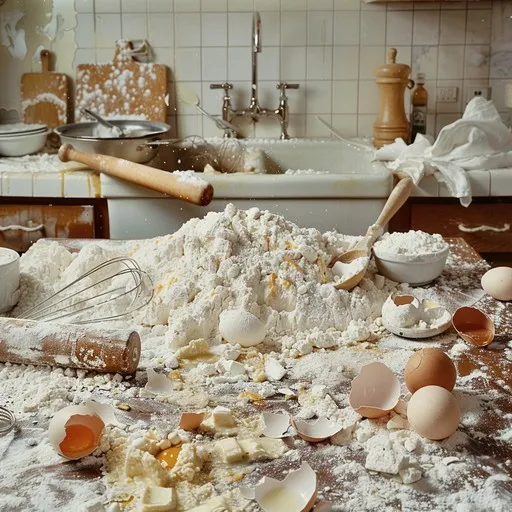
Photo: baker showing imperfect messy cake process kitchen candid, via images.stockcake.com
Let's get one thing straight: nobody is born piping perfect rosettes. Not your favorite cake influencer. Not the pastry chef at that fancy hotel downtown. Not even the person selling $600 wedding cakes out of a studio that smells perpetually of vanilla and ambition. Everyone — and we mean everyone — has a drawer full of memories featuring sunken sponges, exploding ganache, and at least one fondant situation they've quietly agreed never to discuss in polite company.
So why, then, did bakers spend years furiously cropping those disasters out of frame? And more importantly, why are the ones who stopped cropping them suddenly the most trusted, most followed, and most booked bakers on the internet?
Buckle up, because the psychology here is genuinely fascinating — and it has everything to do with how we've all gotten a lot better at sniffing out a fake.
The Great Unmasking of the Perfect Feed
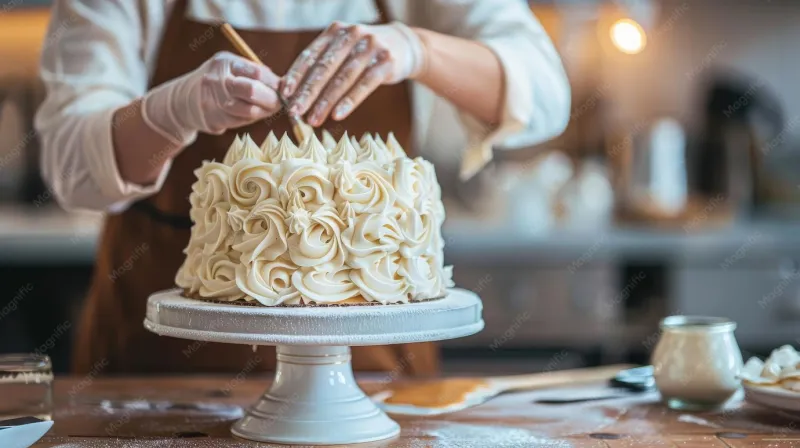
For a long time, baking content followed a very specific script. Pristine kitchen. Flawless finish. Confetti mid-air somehow. Every crumb in its place, every swoop of frosting looking like it was applied by a robot with a fine arts degree. The message was clear: this is what success looks like, and you're not there yet.
And honestly? It worked. For a while. Then audiences started getting suspicious.
"People can feel when something's been polished to the point of fiction," says one Atlanta-based custom cake artist who regularly posts her process shots — including the ugly ones. "When I started showing the cake that fell apart before the one that looked amazing, my inquiries doubled. Doubled. Because now people trusted that the good result was actually real."
That trust factor is not a small thing. In a market saturated with gorgeous content, authenticity has become genuinely scarce — which means it's also become genuinely valuable. The messy process shot isn't a consolation prize. It's the receipt.
Gen Z Didn't Invent This, But They Did Weaponize It
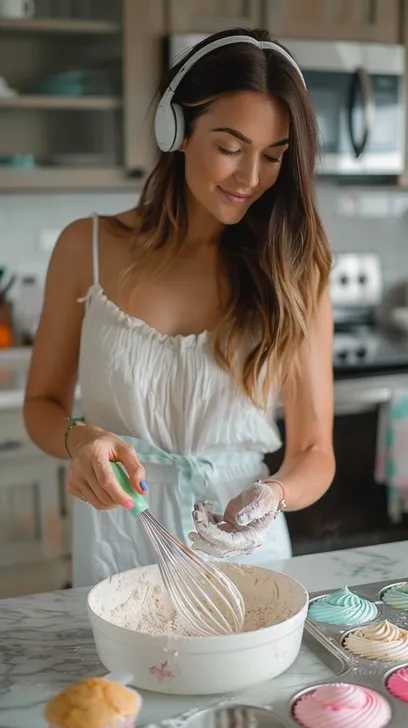
Here's where it gets interesting. Younger cake enthusiasts — the ones currently driving a massive surge in home baking, custom order requests, and "I watched 47 tutorials and tried anyway" energy — have a finely tuned radar for performance. They've grown up in an era of influencer fatigue, brand transparency call-outs, and comment sections that will absolutely fact-check your vibe.
For Gen Z, a baker who posts their cracked fondant right alongside their showstopper isn't being self-deprecating. They're being credible. There's a whole vocabulary around it now: "real baker energy," "process posting," "showing the math." What it all boils down to is this — if you only ever show the win, people assume the win is staged.
A Chicago-based baker who started her account specifically as a beginner's diary — every mistake documented in glorious, slightly chaotic detail — now has a following that would make many polished pros jealous. "I posted a cake that slid off the board on the way to a birthday party," she laughs. "That video got more saves than anything I've ever made. People weren't laughing at me. They were saving it because they'd been there. Or they were terrified they'd be there. Either way, we were in it together."
That sense of together is doing a lot of heavy lifting in the modern baking community.
The Science of the "Good Enough" Cake
Let's talk technique for a second, because there's actually something important happening beneath all the wholesome authenticity discourse. The baking community's embrace of imperfection isn't just a vibe shift — it's also a pedagogical one.
When bakers show their mistakes in context, they're demonstrating process literacy. They understand what went wrong, why it went wrong, and how to adjust. That's a significantly more sophisticated skill set than simply producing a beautiful result. Anyone can get lucky once. Understanding your errors — and being comfortable enough to display them — signals genuine mastery.
"The crumb coat that's a little rough? That tells me someone knows what a crumb coat is for," explains a professional cake decorator based in Austin who teaches workshops. "The beginner who posts a lumpy cake with a caption explaining exactly which step they'd do differently next time? That person is learning faster than someone who only attempts things they know they can nail."
In other words, your ugly first attempt isn't evidence that you don't know what you're doing. It's evidence that you're doing the work. And in a community that fundamentally respects the process, that counts for a lot.
Why Customers Are Actually Here For It
Here's the part that might surprise you if you're a baker who's been carefully curating a flawless portfolio: many customers actively prefer bakers who show their process, including the rough patches.
Custom cake orders are, at their core, an act of trust. You're handing someone a significant chunk of money and saying, "Please make the centerpiece of my celebration, and don't mess it up." The bakers who demonstrate transparency — who show you the learning curve and the recovery and the eventual gorgeous result — are making an implicit promise: I will tell you what's actually happening. That's enormously reassuring when you're trying to decide who gets to make your wedding cake or your kid's birthday extravaganza.
A Denver cake studio owner puts it plainly: "My worst-performing posts, engagement-wise, are the ones where everything went perfectly and I show the final product with nice lighting. My best-performing posts are when I show the disaster and the fix. And those are also the posts that get the most DMs asking about booking."
Owning Your Crumb Coat Era
So what does this mean for you, whether you're a home baker just getting started or a professional wondering if you should loosen the grip on your perfectly curated grid?
It means the permission slip you've been waiting for is already signed. Post the lopsided layer. Caption the cracked ganache. Explain, with genuine enthusiasm, exactly how you plan to never let that happen again — or, better yet, how you turned it into something delicious anyway.
The baking community isn't looking for perfection. It never really was, if we're honest. It was looking for company — for proof that the people they admire are operating in the same chaotic, flour-dusted, occasionally catastrophic reality they are.
Your ugly first attempt isn't a liability. It's your origin story. And around here, we know that every great cake — every truly iconic, jaw-dropping, people-will-talk-about-this-for-years creation — started with someone who tried, failed spectacularly, learned something crucial, and got back in the kitchen.
That's not embarrassing. That's the whole point.
Now go post the disaster. The community is waiting, and honestly? They're going to love you for it.